Anxiety Therapy in Brooklyn, NY
Supportive therapy for worry, panic, social anxiety, overthinking, stress, avoidance, and emotional overwhelm.

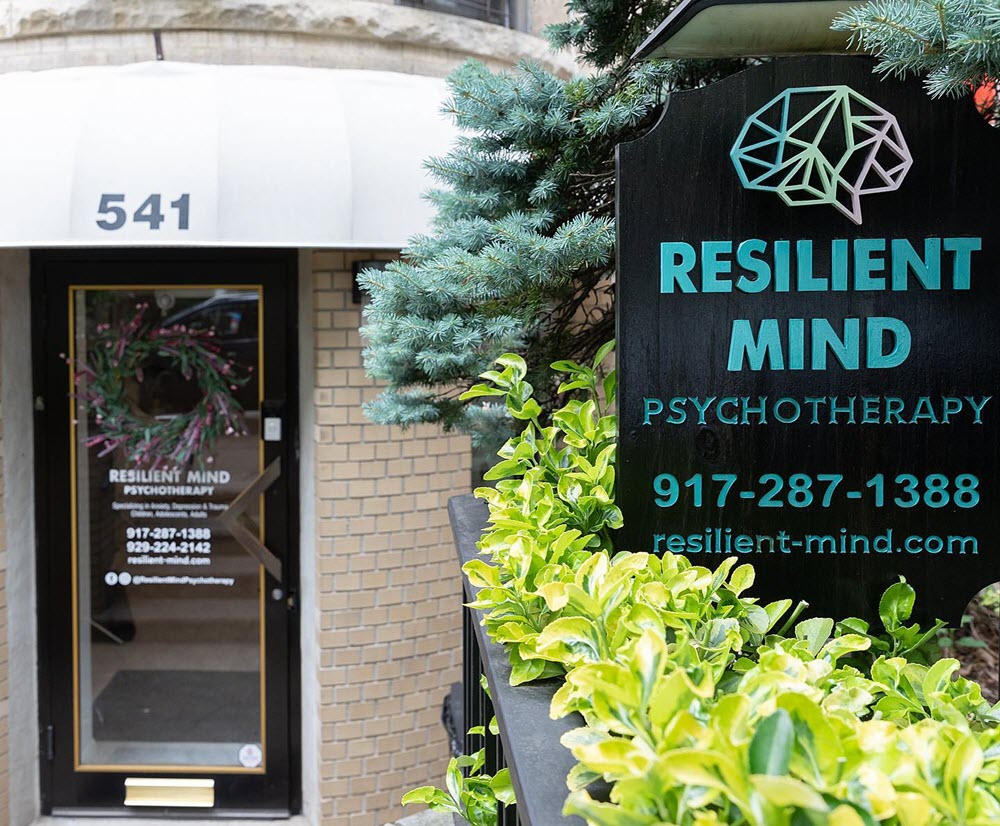
Anxiety Therapy for Real-Life Anxiety Challenges
Anxiety can affect the way you think, feel, sleep, work, communicate, and move through daily life. For some people, anxiety feels like constant worry or overthinking. For others, it may show up as panic attacks, social anxiety, irritability, physical tension, avoidance, racing thoughts, or feeling unable to relax.
At Resilient Mind Psychotherapy, we offer anxiety therapy in Brooklyn, NY, for children, teens, adults, couples, and families. Our therapists provide supportive, personalized care for people experiencing anxiety symptoms, stress, emotional overwhelm, trauma-related anxiety, relationship anxiety, and related mental health concerns.
You do not need to have everything figured out before starting therapy. Many people begin therapy simply knowing that something feels difficult, exhausting, or harder to manage than it used to.
What Anxiety Can Feel Like
Anxiety is not the same for everyone. Some people experience anxiety mostly in their thoughts, while others feel it strongly in their body. It may come and go, or it may feel like it is always running in the background.
Anxiety may include:
- Constant worry or racing thoughts
- Overthinking everyday decisions
- Panic attacks or sudden waves of fear
- Social anxiety or fear of judgment
- Avoiding situations that feel uncomfortable
- Trouble sleeping or relaxing
- Irritability or feeling on edge
- Muscle tension, stomach discomfort, or headaches
- Difficulty concentrating
- Feeling emotionally overwhelmed
- Fear that something bad will happen
- Needing reassurance often
- Feeling stuck in “what if” thinking
Therapy can help you better understand how anxiety is showing up in your life and what kind of support may help you feel more grounded.
When to Consider Therapy for Anxiety
You may want to consider anxiety therapy if worry, fear, panic, avoidance, or emotional overwhelm are interfering with your daily life, relationships, school, work, sleep, or sense of well-being.
Some people wait until anxiety becomes severe before reaching out. But therapy can also be helpful earlier, before symptoms become harder to manage. You do not need a formal diagnosis to speak with a therapist.
Anxiety therapy may be helpful if you:
- Feel stuck in constant worry or overthinking
- Avoid people, places, tasks, or conversations because of anxiety
- Experience panic attacks or fear of having another panic attack
- Feel anxious in social situations
- Struggle with perfectionism or fear of making mistakes
- Have difficulty calming your body or mind
- Feel overwhelmed by stress, burnout, or major life changes
- Notice anxiety affecting your relationships
- Feel anxious because of past trauma or painful experiences
- Want to build healthier coping skills
If anxiety is connected to sadness, low motivation, or emotional heaviness, depression therapy may also be part of your care.
Take our online Depression and Anxiety Test
EXCELLENT Based on 85 reviews
 Posted on Google
 Daniel Lerner
Trustindex verifies that the original source of the review is Google.
Best place ever, duh
Owner's reply
Hey Daniel, Thanks so much for the review and we are happy that you have had such a positive experience with Resilient Mind Psychotherapy.Posted on Google SK TThis center is great. The front desk is helpful and my counselor is supportive. The personnel here are very professional and I am appreciative of the assistance
Owner's reply
We are so happy to hear you’ve had positive time with us. Thank you for sharing your experience 😊Posted on Google Mariana HorpynychI’ve been with Resilient Mind for over two years, and I would like to express my sincere gratitude to Yana, Sabrina, and the entire team for such a positive experience. Therapy has helped me tremendously on a personal level. It gave me the strength to leave a toxic relationship with my ex-husband, establish healthy boundaries, and focus on my own well-being. Over the past two years, my life has changed significantly, and I truly believe that Resilient Mind played an important role in that journey. I highly recommend Resilient Mind to anyone seeking support. They genuinely care about their clients and are committed to helping people navigate life’s challenges with compassion and understanding. One piece of advice I would share is not to be afraid to change therapists if you feel your needs are not being fully met. Finding the right therapist is an important part of the process. I personally worked with two different therapists before finding the right fit, and that experience helped me better understand what I needed from therapy. A special thank you to Suzanne, who is incredibly knowledgeable, professional, supportive, and compassionate. Working with her has made a meaningful difference in my life. In my opinion, we all can benefit from therapy for different reasons. Seeking help is a sign of strength, and investing in your mental health can truly change your life. ❤️
Owner's reply
Thanks so much for the review Mariana! 😊🙏Posted on Google OK TEI really want to thank Yana for going above and beyond in helping us find a therapist for our 7 year old. She paired him with Phyllis, who was absolutely lovely. My son said that he felt comfortable speaking with her and was excited to see her guitar, art supplies, and wall of sequins. 🙏
Owner's reply
Thanks so much for the review and we are delighted to hear about your positive experience with Phyllis.Posted on Google angela taskMy child has been working with Lala Dzhafarova and we could not be more grateful for the care, support, and guidance she provided. She helped her learn ways to feel more confident, grounded and better able to handle difficult situations. And we highly recommend her to other families.
Owner's reply
Thanks so much for your review Angela and we are happy to hear about all the positive progress your child has experienced working with Lala =)Posted on Google Fini FiniI have been working for a while with Suzanne Geller, and i have to say she is amazing, understanting, caring, sensitive and has been very helpful during my grief/depression journey. She has been so welcoming and flexible to my needs. The office itself is very easy to get in touch, flexible and friendly.
Owner's reply
Thank you for your kind words! We’re so glad Suzanne has been able to provide the compassionate support you needed. It’s a priority for us to make sure our clients feel truly heard and cared for throughout their journey.Posted on Google Hillary AngleyBest experience in therapy that I've had
Owner's reply
Happy to hear you had such a great experience, Hillary.





Contact Resilient Mind to arrange a preliminary consultation. Join us as we embark on a journey towards increased resilience, higher emotional well-being, and a purposeful existence.
Types of Anxiety We Support
Our therapists work with many forms of anxiety and anxiety-related concerns. Therapy is personalized based on your symptoms, goals, history, and what feels most supportive for you.
Generalized Anxiety and Chronic Worry
Generalized anxiety may feel like ongoing worry that is difficult to turn off. You may find yourself thinking through worst-case scenarios, worrying about the future, replaying conversations, or feeling responsible for preventing every possible problem.
Therapy can help you notice anxiety patterns, understand triggers, and develop strategies for responding to worry with more awareness and flexibility.
Panic Attacks and Panic Symptoms
Panic attacks can feel frightening and intense. They may include a racing heart, shortness of breath, chest tightness, dizziness, shaking, sweating, nausea, or a fear that something terrible is happening.
Anxiety therapy can help you understand panic symptoms, reduce fear of the sensations, and develop tools to support your nervous system during moments of intense fear.
Social Anxiety
Social anxiety may involve fear of judgment, embarrassment, rejection, or being watched by others. It can make conversations, work meetings, school, dating, public speaking, or group settings feel overwhelming.
Therapy can help you explore the thoughts, beliefs, and past experiences that may contribute to social anxiety while building skills for more confident and manageable social interactions.
High-Functioning Anxiety
Some people appear calm, responsible, productive, or successful on the outside while feeling anxious, tense, self-critical, or overwhelmed internally. High-functioning anxiety may involve perfectionism, people-pleasing, difficulty resting, and constant pressure to do more.
Therapy can help you slow down, understand these patterns, and work toward healthier ways of managing expectations, boundaries, and self-pressure.
Anxiety, Overthinking, and Emotional Overwhelm
Anxiety can create a cycle of overthinking, checking, reassurance-seeking, or avoiding decisions. Even small choices may feel heavy when your mind is constantly scanning for what could go wrong.
Therapy may help you recognize these cycles and practice ways to respond with more clarity, self-compassion, and emotional regulation.
Anxiety Connected to Trauma
Sometimes anxiety is connected to past experiences, emotional wounds, or trauma. You may feel unsafe, easily startled, guarded, triggered, or anxious in situations that remind your nervous system of something painful.
When anxiety is connected to trauma, trauma therapy or EMDR therapy may be considered as part of treatment, depending on your needs and clinical fit.
How Therapy Can Help with Anxiety
Therapy does not require you to “just calm down” or force yourself to stop feeling anxious. Instead, therapy can help you understand what anxiety is trying to protect you from, how it affects your thoughts and body, and what tools may help you respond differently.
Anxiety therapy may help you:
- Identify triggers and anxiety patterns
- Understand the connection between thoughts, emotions, and behaviors
- Build coping strategies for worry and panic
- Reduce avoidance over time
- Strengthen emotional regulation skills
- Improve communication and boundaries
- Address self-criticism and perfectionism
- Explore trauma, stress, or relationship patterns that may contribute to anxiety
- Feel more supported during difficult life transitions
- Develop a more compassionate relationship with yourself
Your therapist will work with you at a pace that feels respectful and appropriate.
Therapy Approaches for Anxiety
At Resilient Mind Psychotherapy, anxiety treatment is not one-size-fits-all. Our therapists may use different approaches depending on your symptoms, goals, age, history, and preferences.
Cognitive Behavioral Therapy
Cognitive Behavioral Therapy, often called CBT, may help you notice how thoughts, emotions, body sensations, and behaviors interact. CBT can support people in identifying anxious thinking patterns and practicing new ways to respond to fear, worry, or avoidance.
DBT-Informed Skills
Some clients benefit from DBT-informed skills, especially when anxiety is connected to emotional intensity, impulsive reactions, relationship stress, or difficulty feeling grounded. These skills may support mindfulness, distress tolerance, emotional regulation, and communication.
If anxiety overlaps with intense emotions or relationship instability, BPD treatment or DBT-informed support may be helpful.
Mindfulness-Based Therapy
Mindfulness-based therapy may help you slow down, observe thoughts without immediately reacting to them, and become more aware of how anxiety feels in the body. This can be especially helpful for people who feel stuck in racing thoughts or constant mental pressure.
Trauma-Informed Therapy
Trauma-informed therapy recognizes that anxiety may be shaped by past experiences, chronic stress, attachment wounds, loss, or painful relationships. The goal is to create a therapy space that feels safe, respectful, and paced carefully.
EMDR Therapy
When anxiety is connected to trauma, distressing memories, emotional triggers, or body-based reactions, EMDR therapy may be considered. EMDR is not right for every person at every moment, so your therapist can help determine whether it fits your needs.
Anxiety, Depression, Trauma, and Relationships
Anxiety often overlaps with other mental health concerns. Some people experience anxiety alongside depression, trauma, grief, burnout, emotional regulation difficulties, or relationship stress.
Anxiety may affect relationships by making it harder to communicate clearly, trust others, ask for what you need, tolerate conflict, or feel secure. Some people become avoidant, while others seek reassurance or feel highly sensitive to changes in tone, distance, or response time.
If anxiety is affecting your relationships, relationship counseling may help you explore communication patterns, boundaries, attachment concerns, and emotional needs.
Online Anxiety Therapy in New York
Resilient Mind Psychotherapy offers online therapy for clients across New York when clinically appropriate. Online anxiety therapy may be helpful if you have a busy schedule, live outside Brooklyn, prefer the privacy of home, or have difficulty commuting.
Online therapy may support clients dealing with worry, panic symptoms, social anxiety, stress, overthinking, emotional overwhelm, trauma-related anxiety, and related concerns.
Your therapist can help determine whether online therapy is appropriate for your needs.
In-Person Anxiety Therapy in Bay Ridge, Brooklyn
For clients who prefer face-to-face support, Resilient Mind Psychotherapy offers in-person therapy at our Bay Ridge, Brooklyn office.
Resilient Mind Psychotherapy
541 Bay Ridge Parkway, Suite LL
Brooklyn, NY 11209
Phone: (929) 200-3049
Our Brooklyn office serves clients from Bay Ridge, Dyker Heights, Bensonhurst, Sunset Park, Park Slope, Borough Park, Brooklyn, Manhattan, Queens, and surrounding New York City communities.
Why Choose Resilient Mind Psychotherapy?
Choosing a therapist is personal. At Resilient Mind Psychotherapy, our goal is to provide care that feels supportive, respectful, and individualized.
Licensed Therapists
Our therapists include licensed mental health professionals with experience supporting clients through anxiety, depression, trauma, relationship concerns, emotional regulation challenges, stress, grief, and life transitions.
Personalized Care
Anxiety can have many causes and patterns. Your therapist will work with you to understand your specific experience rather than using a one-size-fits-all approach.
In-Person and Online Options
We offer in-person therapy in Brooklyn and online therapy across New York when clinically appropriate.
Whole-Person Mental Health Support
Anxiety may be connected to sleep, relationships, trauma, stress, depression, identity, family dynamics, work pressure, or life changes. Therapy can help you explore the larger picture and build support around your needs.
Insurance Options
Resilient Mind Psychotherapy welcomes several insurance options, including Cigna, Aetna, Fidelis Care, and 1199SEIU. Coverage may vary by therapist, plan, and service type, so please contact the office to confirm benefits.
Do You Need an Anxiety Diagnosis to Start Therapy?
No. You do not need to know whether you have generalized anxiety disorder, social anxiety disorder, panic disorder, or another formal diagnosis before reaching out.
Many people begin therapy because they feel overwhelmed, worried, tense, avoidant, or emotionally exhausted. A therapist can help you better understand what you are experiencing and what type of support may be helpful.
Schedule Anxiety Therapy in Brooklyn, NY
If anxiety, worry, panic, overthinking, avoidance, or emotional overwhelm are affecting your life, support is available.
Resilient Mind Psychotherapy offers anxiety therapy in Brooklyn and online therapy across New York. Our therapists provide compassionate, non-judgmental care to help you better understand anxiety and build tools for managing it.
Book a session today or call (929) 200-3049.
FAQs
How do I know if I should see a therapist for anxiety?
You may want to speak with a therapist if anxiety, worry, panic, overthinking, avoidance, or physical tension are affecting your daily life, relationships, work, school, sleep, or ability to relax. You do not need to wait until anxiety feels unbearable to seek support.
Can therapy help with panic attacks?
Therapy may help you understand panic symptoms, reduce fear of body sensations, identify triggers, and practice coping strategies for moments of intense anxiety. If panic symptoms feel severe or medically concerning, it is also important to speak with a healthcare professional.
What is the difference between stress and anxiety?
Stress is often connected to a specific situation or pressure, while anxiety may continue even when there is no immediate threat. Many people experience both. Therapy can help you understand what you are feeling and how it affects your body, thoughts, and behavior.
Do you offer therapy for social anxiety?
Yes. Resilient Mind Psychotherapy supports clients who experience social anxiety, fear of judgment, avoidance of social situations, difficulty speaking up, or anxiety in work, school, dating, or relationship settings.
Can anxiety and depression happen together?
Yes. Anxiety and depression often overlap. Some people feel worried and restless while also feeling sad, tired, unmotivated, or emotionally disconnected. Therapy can help address both experiences.
Is online therapy available for anxiety?
Yes. Online therapy may be available for clients across New York when clinically appropriate. This can be helpful for clients who need flexibility, live outside Brooklyn, or prefer to attend sessions from home.
What type of therapy is used for anxiety?
Therapy for anxiety may include CBT, mindfulness-based therapy, DBT-informed skills, trauma-informed therapy, EMDR when anxiety is connected to trauma, or other approaches depending on your needs and therapist’s training.
How long does anxiety therapy take?
The length of therapy depends on your symptoms, goals, history, stressors, and the type of support you need. Some people benefit from short-term therapy focused on coping skills, while others prefer longer-term therapy to explore deeper patterns.
Gentle Mental Health Disclaimer
This page is for informational purposes only and is not a diagnosis or a substitute for professional mental health care. If you are experiencing a mental health emergency, thoughts of self-harm, or feel unable to stay safe, call 911, go to the nearest emergency room, or contact a crisis support service immediately.
References:
- National Institute of Mental Health. Anxiety Disorders.
https://www.nimh.nih.gov/health/topics/anxiety-disorders - National Institute of Mental Health. Generalized Anxiety Disorder: When Worry Gets Out of Control.
https://www.nimh.nih.gov/health/publications/generalized-anxiety-disorder-gad - American Psychological Association. How psychologists help with anxiety disorders.
https://www.apa.org/topics/anxiety/disorders - American Psychological Association. Different approaches to psychotherapy.
https://www.apa.org/topics/psychotherapy/approaches - NICE. Generalised anxiety disorder and panic disorder in adults: management.
https://www.nice.org.uk/guidance/cg113