Art Therapy for Kids in Brooklyn, NY
Art therapy offers children a safe and creative way to express emotions they may not yet have the words for. At Resilient Mind Psychotherapy, we provide art therapy for kids in Brooklyn, NY, helping kids work through anxiety, emotional overwhelm, behavioral challenges, and difficulty with emotional expression in a supportive, non-judgmental environment.
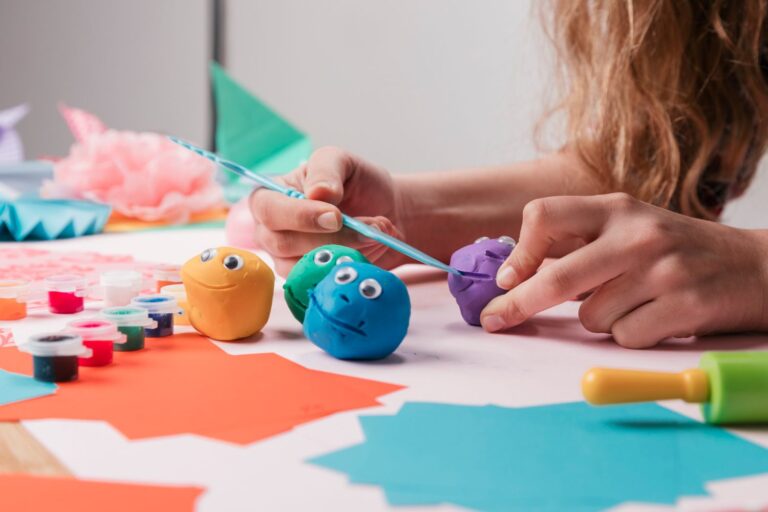
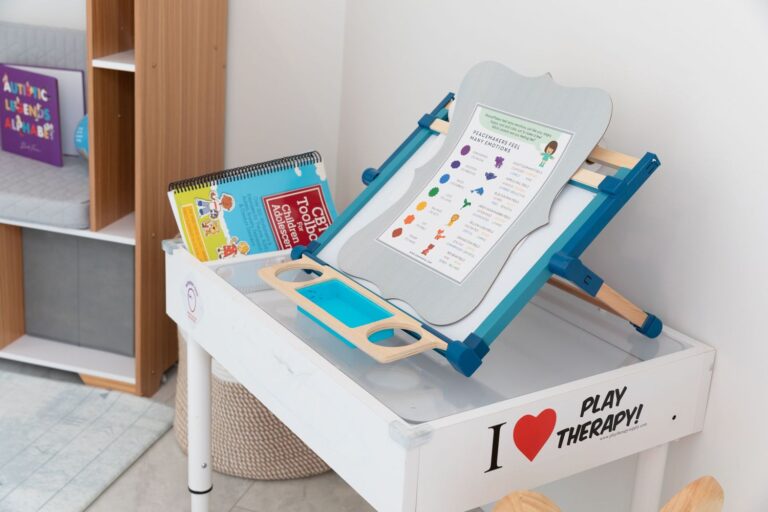
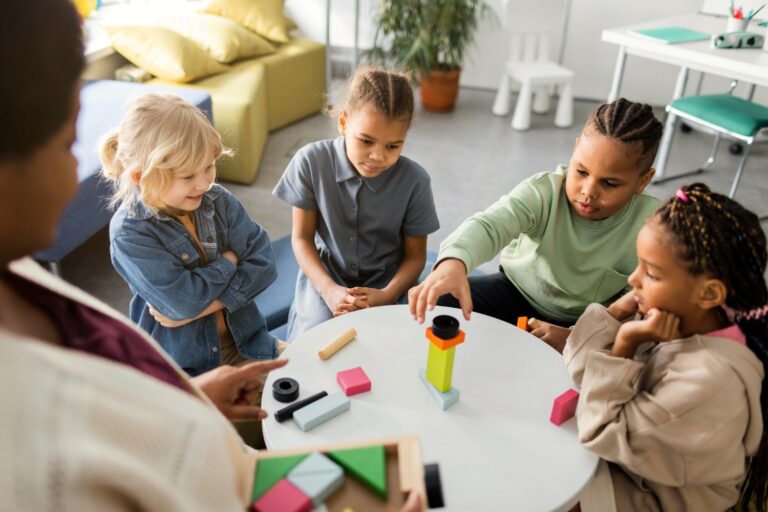
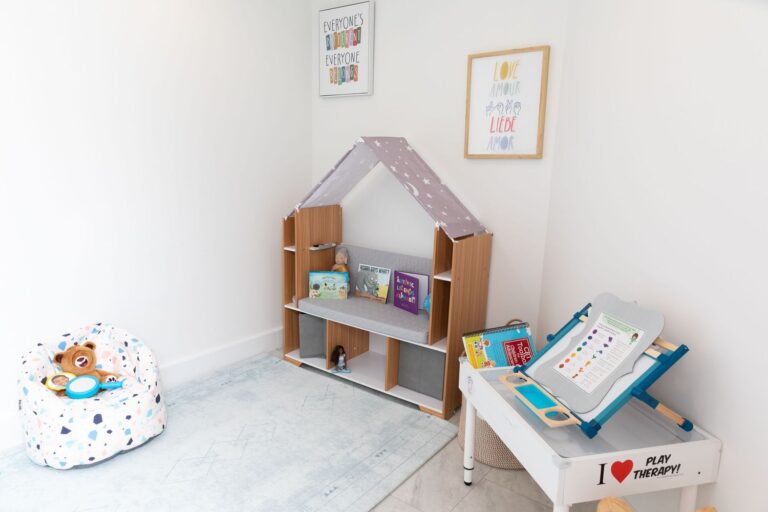
Many children struggle to talk about their feelings directly—especially when experiencing stress, anxiety, ADHD symptoms, or big emotional reactions. Through guided creative expression, art therapy allows kids to communicate emotions visually, build emotional awareness, and develop healthier coping skills at their own pace. This approach often works well alongside group therapy for kids, where children learn social connection and emotional skills with peers, as well as play therapy, which supports emotional growth through developmentally appropriate play.
For some children, creative therapies such as music therapy for children can also be a powerful complement, helping with self-regulation, focus, and emotional expression through rhythm and sound. By offering multiple creative and experiential therapy options, we meet children where they are and tailor support to their individual needs.
Our child-centered approach supports emotional regulation, confidence, and self-expression while honoring each child’s developmental stage. Art therapy can be especially helpful for children who feel overwhelmed, withdrawn, frustrated, or misunderstood, offering a gentle pathway toward emotional growth and resilience.
Book a session today to schedule (929) 200-3049
What Is Art Therapy for Children?
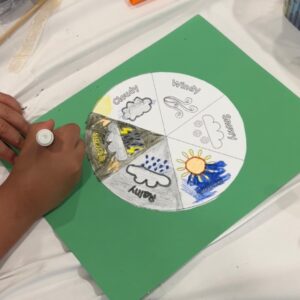
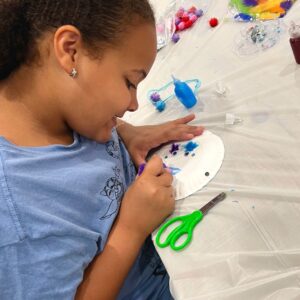
Art therapy is a therapeutic approach that uses creative expression such as drawing, painting, sculpting, and mixed media to help children explore emotions, process experiences, and develop emotional regulation skills. Unlike traditional talk therapy, art therapy does not rely on verbal communication alone, making it especially effective for children who have difficulty expressing their feelings with words.
For many children, emotions feel overwhelming or confusing. Art therapy provides a safe, structured space where children can communicate feelings visually, reduce anxiety, and gain insight into their emotional world. Through the creative process, children learn how to identify emotions, tolerate frustration, and build coping strategies that support emotional and behavioral growth.
Art therapy is often helpful for children experiencing anxiety, emotional dysregulation, low self-esteem, social challenges, or symptoms related to ADHD. The focus is not on artistic ability or creating “perfect” artwork, but on the process of expression and discovery. Each session is guided by a licensed therapist who helps children reflect on their creations and connect creative expression to emotional awareness and growth.
Because art therapy is developmentally appropriate and adaptable, it can be integrated with other therapeutic approaches such as play therapy, group therapy, or music therapy, depending on a child’s needs. This flexibility allows therapy to be personalized while supporting emotional resilience, self-confidence, and healthy emotional expression.


We extend our warm welcome to Cigna, Aetna, Fidelis Care and 1199SEIU insurance plans, enabling you to focus on your mental well-being without additional financial strain.
Who Can Benefit from Art Therapy for Children?
Art therapy can be helpful for children who experience emotional, behavioral, or social challenges and may struggle to express themselves through words alone. Because art therapy is flexible and developmentally appropriate, it supports a wide range of emotional needs while meeting children where they are.
Art therapy may be especially beneficial for children who:
Struggle with anxiety or worry
Children who feel nervous, overwhelmed, or fearful may find it easier to express emotions through drawing or creative play than through conversation alone. Art therapy can help reduce anxiety and build emotional awareness in a safe, non-pressured way.Have difficulty regulating emotions
Frequent meltdowns, frustration, emotional shutdowns, or big reactions can signal challenges with emotional regulation. Art therapy helps children identify feelings, tolerate discomfort, and practice calming strategies through creative expression.Show signs of ADHD or attention challenges
Children with ADHD symptoms may struggle with impulse control, focus, or emotional intensity. Art therapy supports self-regulation and attention while allowing movement, choice, and sensory engagement. When appropriate, it can be combined with play, music therapy for additional support.Have trouble expressing feelings verbally
Some children know they feel “bad” or “upset” but can’t explain why. Art therapy provides an alternative language, helping children communicate emotions visually when words feel too hard.Experience social challenges or low self-confidence
Children who feel shy, withdrawn, or unsure around peers may benefit from art therapy to build confidence, self-expression, and emotional insight before or alongside group therapy.Have experienced stress or life changes
Transitions such as family changes, school stress, or social difficulties can feel overwhelming. Art therapy offers a consistent and supportive space for children to process experiences at their own pace.
Art therapy can be offered individually or integrated with other creative and relational approaches depending on a child’s needs. Our goal is to support emotional growth, confidence, and resilience while honoring each child’s unique way of communicating and learning.
What Parents Often Notice With Art Therapy
Art therapy supports change in subtle but meaningful ways. Because progress happens through creative expression rather than direct instruction, improvements often unfold gradually and naturally over time.
Parents often report noticing changes such as:
Calmer emotional responses
Children may recover from frustration more quickly, show fewer emotional outbursts, or feel less overwhelmed when things don’t go as planned.More comfortable emotional expression
Kids may begin to share feelings more openly—through words, drawings, or behavior—rather than shutting down or acting out.Increased confidence and independence
Making choices during art activities helps children trust themselves. Parents often notice greater confidence in trying new things or expressing preferences.Improved flexibility and tolerance for mistakes
Art therapy emphasizes exploration over perfection. Children learn that mistakes are part of the process, which can reduce fear of failure and rigid thinking.Better transitions and daily routines
Children may move more smoothly between activities, handle changes with less resistance, and show improved emotional stamina during the day.Stronger engagement in other therapies or group settings
Art therapy often supports progress in child therapy by strengthening emotional awareness and self-regulation skills.
These shifts may appear first in small moments how a child handles a challenge, communicates a feeling, or responds to frustration. Over time, these moments build into greater emotional resilience and confidence.
Getting Started With Art Therapy
Choosing therapy for your child can feel like a big decision. Our goal is to make the process as clear and supportive as possible from the very first step.
If you’re wondering whether art therapy is the right fit for your child, we invite you to reach out. Our team can help you understand available options and determine whether art therapy alone or in combination with art, music, play therapy, group therapy, may best support your child’s emotional needs.
Art therapy at Resilient Mind Psychotherapy is offered in a warm, welcoming environment where children are encouraged to express themselves at their own pace. We work collaboratively with families to ensure each child receives thoughtful, individualized care.
To get started:
Call or text our office to ask questions or request an appointment
Learn more about our creative therapy services
Schedule an initial consultation to discuss your child’s needs
📞 Call or text: (929) 200-3049
📍 Location: 541 Bay Ridge Pkwy Suite LL, Brooklyn, NY 11209
Taking the first step doesn’t require having all the answers. We’re here to help guide you and support your child’s emotional growth.