Cognitive Behavioral Therapy (CBT) in Brooklyn, NY
Supportive, evidence-based therapy for anxiety, depression, stress, unhelpful thinking patterns, and emotional challenges.
CBT Therapy in Brooklyn, NY

Cognitive Behavioral Therapy (CBT) in Brooklyn, NY offers a practical, structured approach to understanding how thoughts, emotions, and behaviors influence one another. Whether you are experiencing persistent anxiety, low mood, overwhelming stress, self-critical thoughts, or difficulty managing everyday challenges, CBT can help you recognize patterns and develop healthier ways to respond.
At Resilient Mind Psychotherapy, our therapists provide individualized mental health care that considers your experiences, concerns, and personal goals. CBT may be used to help clients develop coping strategies, change unhelpful behavioral patterns, and navigate difficult situations with greater awareness and flexibility.
We offer in-person psychotherapy in Bay Ridge, Brooklyn, and online therapy options across New York when clinically appropriate.
You do not need to have a formal mental health diagnosis or know exactly what is causing your difficulties before speaking with a therapist.
EXCELLENT Based on 85 reviews
 Posted on Google

 Daniel Lerner
Trustindex verifies that the original source of the review is Google.
Best place ever, duh
Owner's reply
Hey Daniel, Thanks so much for the review and we are happy that you have had such a positive experience with Resilient Mind Psychotherapy.Posted on Google SK TThis center is great. The front desk is helpful and my counselor is supportive. The personnel here are very professional and I am appreciative of the assistance
Owner's reply
We are so happy to hear you’ve had positive time with us. Thank you for sharing your experience 😊Posted on Google Mariana HorpynychI’ve been with Resilient Mind for over two years, and I would like to express my sincere gratitude to Yana, Sabrina, and the entire team for such a positive experience. Therapy has helped me tremendously on a personal level. It gave me the strength to leave a toxic relationship with my ex-husband, establish healthy boundaries, and focus on my own well-being. Over the past two years, my life has changed significantly, and I truly believe that Resilient Mind played an important role in that journey. I highly recommend Resilient Mind to anyone seeking support. They genuinely care about their clients and are committed to helping people navigate life’s challenges with compassion and understanding. One piece of advice I would share is not to be afraid to change therapists if you feel your needs are not being fully met. Finding the right therapist is an important part of the process. I personally worked with two different therapists before finding the right fit, and that experience helped me better understand what I needed from therapy. A special thank you to Suzanne, who is incredibly knowledgeable, professional, supportive, and compassionate. Working with her has made a meaningful difference in my life. In my opinion, we all can benefit from therapy for different reasons. Seeking help is a sign of strength, and investing in your mental health can truly change your life. ❤️
Owner's reply
Thanks so much for the review Mariana! 😊🙏Posted on Google OK TEI really want to thank Yana for going above and beyond in helping us find a therapist for our 7 year old. She paired him with Phyllis, who was absolutely lovely. My son said that he felt comfortable speaking with her and was excited to see her guitar, art supplies, and wall of sequins. 🙏
Owner's reply
Thanks so much for the review and we are delighted to hear about your positive experience with Phyllis.Posted on Google angela taskMy child has been working with Lala Dzhafarova and we could not be more grateful for the care, support, and guidance she provided. She helped her learn ways to feel more confident, grounded and better able to handle difficult situations. And we highly recommend her to other families.
Owner's reply
Thanks so much for your review Angela and we are happy to hear about all the positive progress your child has experienced working with Lala =)Posted on Google Fini FiniI have been working for a while with Suzanne Geller, and i have to say she is amazing, understanting, caring, sensitive and has been very helpful during my grief/depression journey. She has been so welcoming and flexible to my needs. The office itself is very easy to get in touch, flexible and friendly.
Owner's reply
Thank you for your kind words! We’re so glad Suzanne has been able to provide the compassionate support you needed. It’s a priority for us to make sure our clients feel truly heard and cared for throughout their journey.Posted on Google Hillary AngleyBest experience in therapy that I've had
Owner's reply
Happy to hear you had such a great experience, Hillary.
What Is Cognitive Behavioral Therapy (CBT)?
Cognitive Behavioral Therapy is an evidence-based form of psychotherapy that focuses on the relationship between thoughts, feelings, and behaviors.
The central idea behind CBT is that how we interpret situations can influence our emotional reactions and the actions we take. Sometimes, automatic thoughts or familiar coping behaviors may unintentionally contribute to ongoing anxiety, depression, or distress.
For example, imagine sending someone a message and not receiving a response.
You might automatically think, “They must be upset with me.” That thought may trigger anxiety, self-doubt, or fear of rejection. You might then send repeated messages, avoid the person, or spend hours replaying the interaction.
CBT can help you examine that pattern and consider other possible explanations, such as the person being busy or unavailable. It can also help you practice tolerating uncertainty and choosing a response that better reflects your values.
CBT is not about forcing yourself to think positively or pretending difficult experiences are harmless. Instead, it encourages you to examine thoughts thoughtfully, understand emotional reactions, and develop more helpful responses.
How Does CBT Work?
CBT is generally collaborative, goal-oriented, and focused on the challenges affecting your current life.
During sessions, a CBT therapist may help you recognize patterns that contribute to emotional distress and explore ways to respond differently.
Treatment may involve:
Identifying automatic thoughts and underlying beliefs
Recognizing connections between thoughts, emotions, physical sensations, and behaviors
Examining whether certain interpretations are accurate or helpful
Reducing avoidance and developing healthier coping behaviors
Practicing problem-solving and emotional regulation skills
Building confidence through gradual, manageable changes
Applying skills between therapy sessions
The specific approach depends on your symptoms, history, preferences, and treatment goals.
Some sessions may focus on understanding a recent situation, while others may include skill-building exercises, behavioral experiments, or reviewing progress toward a personal goal.





What Can Cognitive Behavioral Therapy Help With?
CBT has been studied for a range of mental health concerns, particularly anxiety and depression. Different conditions may require different CBT techniques or specialized treatment protocols.
CBT for Anxiety
Anxiety often involves persistent worry, fear of uncertainty, physical tension, avoidance, or anticipating negative outcomes.
CBT for anxiety may help you recognize anxious thinking patterns, understand how avoidance maintains fear, and gradually develop confidence in responding to uncomfortable situations.
For example, someone experiencing social anxiety might automatically assume others are judging them. CBT may help them examine these expectations and practice engaging in social situations without relying on avoidance.
Our anxiety therapy in Brooklyn supports individuals dealing with worry, social anxiety, panic symptoms, overthinking, and emotional overwhelm.
CBT for Depression
Depression can affect motivation, sleep, energy, relationships, concentration, and the way people see themselves.
CBT for depression often explores patterns of self-criticism, hopelessness, withdrawal, and reduced engagement in meaningful activities.
Treatment may include behavioral activation, which helps individuals gradually reconnect with activities, routines, and relationships that support well-being.
If you are experiencing persistent sadness, emotional numbness, isolation, or low motivation, learn more about our depression therapy in Brooklyn.
CBT for Panic Attacks
Panic attacks can involve sudden episodes of intense fear accompanied by sensations such as a racing heart, trembling, dizziness, or shortness of breath.
Some people become fearful of the sensations themselves, which may contribute to further anxiety or avoidance.
Appropriate CBT approaches can help individuals understand panic symptoms, examine catastrophic interpretations of bodily sensations, and gradually reduce fear-driven behaviors.
Panic symptoms can also have medical causes, so new or concerning physical symptoms should be evaluated by a healthcare professional.
CBT for Stress and Emotional Overwhelm
Chronic stress may affect sleep, concentration, relationships, decision-making, and emotional well-being.
CBT may help you identify thought patterns that increase pressure, such as perfectionism, excessive responsibility, or expecting the worst.
Therapy can also support healthier problem-solving, boundaries, and coping strategies.
CBT for Trauma-Related Concerns
Some people experience anxiety, avoidance, negative beliefs, or heightened emotional reactions following distressing events.
Certain trauma-focused CBT approaches have evidence for treating trauma-related symptoms. However, trauma-focused treatment requires appropriate clinical training and should be tailored to the individual’s readiness and needs.
For clients experiencing trauma-related difficulties, trauma therapy in Brooklyn or other approaches may be considered as part of an individualized treatment plan.
Common Cognitive Behavioral Therapy Techniques
A CBT therapist may use several techniques depending on the concerns being addressed.
Cognitive Restructuring
Cognitive restructuring helps individuals recognize automatic thoughts and examine whether those thoughts accurately reflect the available evidence.
For example, changing “I always fail” into a more balanced assessment, such as “This situation was difficult, but one setback does not define my abilities,” may reduce unnecessary self-criticism.
The purpose is not to replace every negative thought with a positive one. It is to develop a more realistic and flexible perspective.
Behavioral Activation
Behavioral activation focuses on the relationship between activities and mood.
When someone feels depressed, exhausted, or unmotivated, they may withdraw from activities that previously brought meaning, enjoyment, or connection.
A therapist may help them take manageable steps toward rebuilding routines and participation, even when motivation is low.
Gradual Exposure
Exposure-based CBT techniques may be used for certain anxiety-related conditions.
Under appropriate professional guidance, individuals gradually approach situations, sensations, or experiences they have been avoiding because of fear.
The goal is to develop new learning and reduce the influence of anxiety on daily choices. Exposure exercises are carefully planned and adapted to individual needs.
Problem-Solving Skills
CBT may help individuals break overwhelming situations into smaller, manageable steps.
Instead of trying to solve every problem immediately, therapy can support identifying what is within your control, considering realistic options, and developing a practical plan.
Between-Session Practice
CBT often includes opportunities to practice new skills outside therapy.
This might involve noticing thought patterns, completing a brief worksheet, trying a new behavior, or recording how you responded to a difficult situation.
These activities are usually discussed collaboratively and adjusted to your comfort level and treatment goals.
What to Expect During Your First CBT Session
Starting therapy may feel unfamiliar, especially if you have never worked with a mental health professional before.
During an initial session, your therapist will typically ask about your concerns, relevant background, current symptoms, and what you hope to accomplish.
You might discuss:
What brought you to therapy
How your symptoms affect everyday life
Situations that trigger distress
Coping strategies you currently use
Previous experiences with therapy
Personal goals and priorities
Your therapist may explain how CBT works and discuss whether it appears appropriate for your needs.
You do not need to share every personal experience immediately. Therapy should progress at a pace that considers your comfort, clinical needs, and readiness.
How Long Does CBT Therapy Usually Take?
CBT is often considered a structured, time-limited approach, but there is no universal number of sessions that works for everyone.
Some individuals participate in a relatively brief course of therapy focused on a specific concern. Others benefit from longer treatment when symptoms are persistent, complex, or connected to multiple challenges.
The length of treatment may depend on the type and severity of symptoms, personal goals, previous treatment experiences, and whether additional mental health concerns are present.
Your therapist can help establish realistic goals and review your progress throughout treatment.
CBT vs. Other Types of Therapy
CBT is one of several psychotherapy approaches available to people seeking mental health support.
It often emphasizes present-day patterns, practical coping strategies, and specific treatment goals.
Other approaches may place greater emphasis on past experiences, attachment patterns, emotional processing, interpersonal relationships, or unconscious processes.
For example, EMDR therapy is a different structured approach that may be considered for certain trauma-related concerns.
People experiencing relationship difficulties may also benefit from relationship counseling that explores communication, emotional needs, attachment, and patterns of conflict.
No single therapy approach is best for every person. An appropriate treatment plan considers the individual’s concerns, preferences, and clinical needs.
We proudly accept Cigna, Aetna, Fidelis Care and 1199SEIU Funds insurance plan.
In-Person CBT Therapy in Bay Ridge, Brooklyn
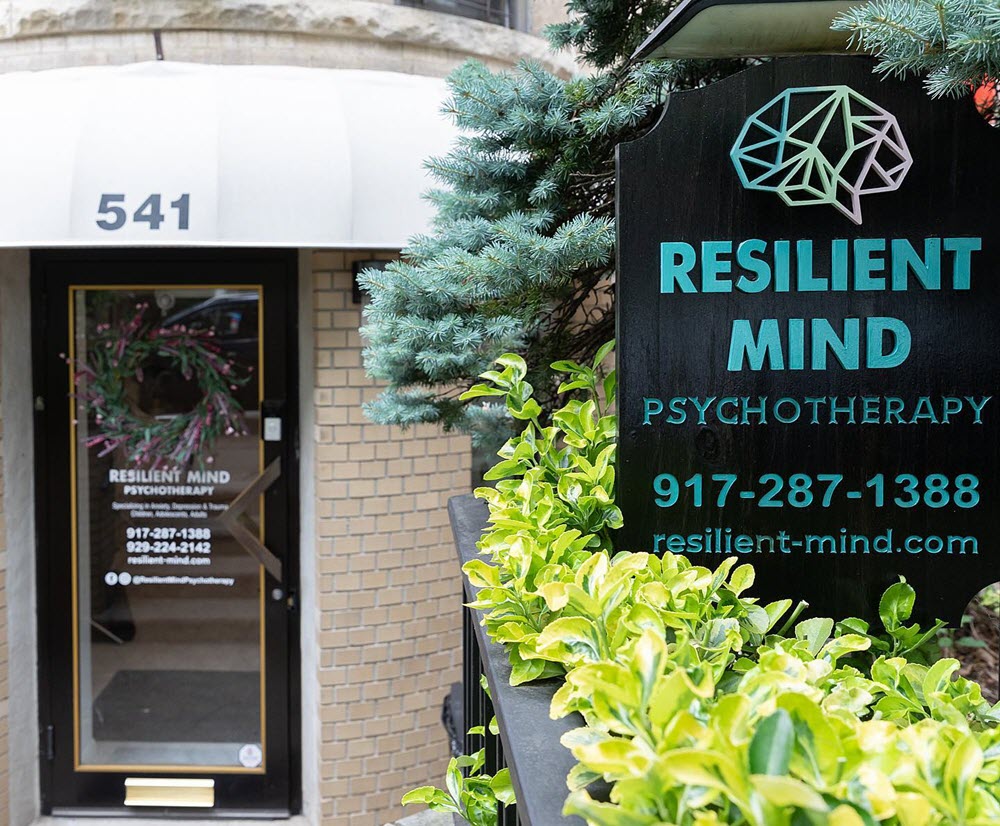
Resilient Mind Psychotherapy provides in-person mental health care at our office in Bay Ridge, Brooklyn.
Our location serves individuals seeking therapy from Bay Ridge, Bensonhurst, Dyker Heights, Sunset Park, Park Slope, and other Brooklyn and New York City communities.
Resilient Mind Psychotherapy
541 Bay Ridge Parkway, Suite LL
Brooklyn, NY 11209
Phone: (929) 200-3049
Meeting with a therapist in person may be helpful for clients who prefer face-to-face communication or a dedicated space away from their usual daily environment.
Online CBT Therapy in New York
For individuals who prefer remote appointments, Resilient Mind Psychotherapy also offers online therapy across New York when clinically appropriate.
Many CBT methods can be adapted for secure virtual sessions, including identifying thought patterns, discussing coping strategies, reviewing exercises, and practicing new skills.
Online appointments may be convenient for people managing demanding schedules, transportation challenges, or family responsibilities.
Your therapist can help determine whether virtual care is suitable for your circumstances.
Why Choose Resilient Mind Psychotherapy for CBT?
Choosing a CBT therapist is about more than finding someone familiar with a particular technique. A supportive therapeutic relationship, appropriate clinical training, and a treatment plan that reflects your needs are also important.
Individualized Mental Health Care
We recognize that people may experience similar symptoms for different reasons. Therapy is designed around your experiences, treatment goals, and the challenges affecting your daily life.
Collaborative Treatment
CBT encourages active participation. Your therapist may work with you to identify goals, explore practical strategies, and review changes over time.
Supportive and Respectful Environment
Mental health concerns can be difficult to discuss. Our goal is to provide a setting where clients feel respected, heard, and supported without judgment.
Access to a Multidisciplinary Therapy Team
Our Brooklyn therapy team includes mental health professionals with varied clinical backgrounds and therapeutic approaches. The office can help you explore clinician availability and whether a therapist’s experience is appropriate for the type of treatment you are seeking.
Insurance and Scheduling
Resilient Mind Psychotherapy welcomes several insurance plans, including Cigna, Aetna, Fidelis Care, and 1199SEIU. Participation and coverage may vary by plan, clinician, and service.
Visit our insurance information page or contact the office to confirm benefits and appointment availability.
Is CBT Therapy Right for You?
CBT may be worth considering if you notice recurring patterns of worry, avoidance, negative self-talk, low motivation, or difficulty responding to stressful situations.
You may also be interested in CBT if you prefer a collaborative approach that includes practical exercises and skills you can use outside therapy sessions.
However, CBT is not appropriate for every concern or person in the same form. Some individuals may benefit from another therapy approach, combined treatment, or additional medical or psychiatric care.
A mental health professional can help you explore the options.
Schedule CBT Therapy in Brooklyn, NY
If anxiety, depression, stress, or unhelpful thinking and behavioral patterns are affecting your life, you do not have to navigate those challenges alone.
At Resilient Mind Psychotherapy, our goal is to help you understand your experiences and work toward meaningful, manageable changes through personalized mental health care.
We offer in-person psychotherapy in Brooklyn and online therapy options across New York when appropriate.
Book a therapy appointment or call (929) 200-3049 to discuss CBT therapist availability.

Frequently Asked Questions About CBT
Is CBT effective for anxiety and depression?
CBT is an evidence-based treatment supported by research and clinical guidelines for many anxiety disorders and depression. Individual results vary, and your therapist can help determine whether CBT is an appropriate approach for your symptoms and goals.
What is the difference between CBT and regular talk therapy?
CBT is a form of talk therapy, but it generally has a more structured focus on the connections between thoughts, emotions, and behaviors. Sessions may include specific goals, practical exercises, and strategies for use between appointments.
Can CBT help with overthinking and negative thoughts?
CBT may help you recognize patterns of overthinking, self-criticism, catastrophic predictions, or repetitive worry. Rather than trying to eliminate every unwanted thought, therapy can help you respond to these patterns more flexibly.
Do I need a diagnosis to start CBT?
No. You do not necessarily need a formal diagnosis before contacting a therapist. An initial assessment can help clarify your concerns and whether CBT or another form of support may be appropriate.
Will I have homework between CBT sessions?
CBT often involves practicing skills between sessions, but the type and amount of practice can vary. Your therapist may suggest exercises that fit your treatment goals, schedule, and circumstances.
How many CBT sessions will I need?
The number of sessions varies depending on your concerns, goals, symptoms, and progress. Some people benefit from a shorter course of structured treatment, while others need additional time or a broader treatment plan.
Can cognitive behavioral therapy be done online?
Yes. CBT can often be delivered through online therapy. The suitability of virtual appointments depends on individual needs, clinical considerations, and therapist availability.
How do I find a CBT therapist in Brooklyn?
Look for a licensed mental health professional with training and experience relevant to the concerns you want to address. You may also want to consider therapeutic approach, availability, insurance participation, and whether you feel comfortable communicating with the therapist.
References
These references provide general information about CBT and clinical treatment recommendations. They do not establish the qualifications of individual Resilient Mind Psychotherapy clinicians or guarantee treatment outcomes.
Important Mental Health Information
This page is for educational purposes and does not provide a diagnosis or replace an individualized mental health assessment. If you are experiencing a mental health emergency or feel unable to stay safe, call 911, contact 988, or seek immediate emergency assistance.